Seven Documents Every Tennessee Estate Plan Should Include
Of all the questions we hear from clients starting the estate planning process, "do I need a will or a trust?" comes up more than almost any other. The honest answer is: it depends on your goals, your assets, and your family situation. Here's how to think through the decision.
What a Will Does
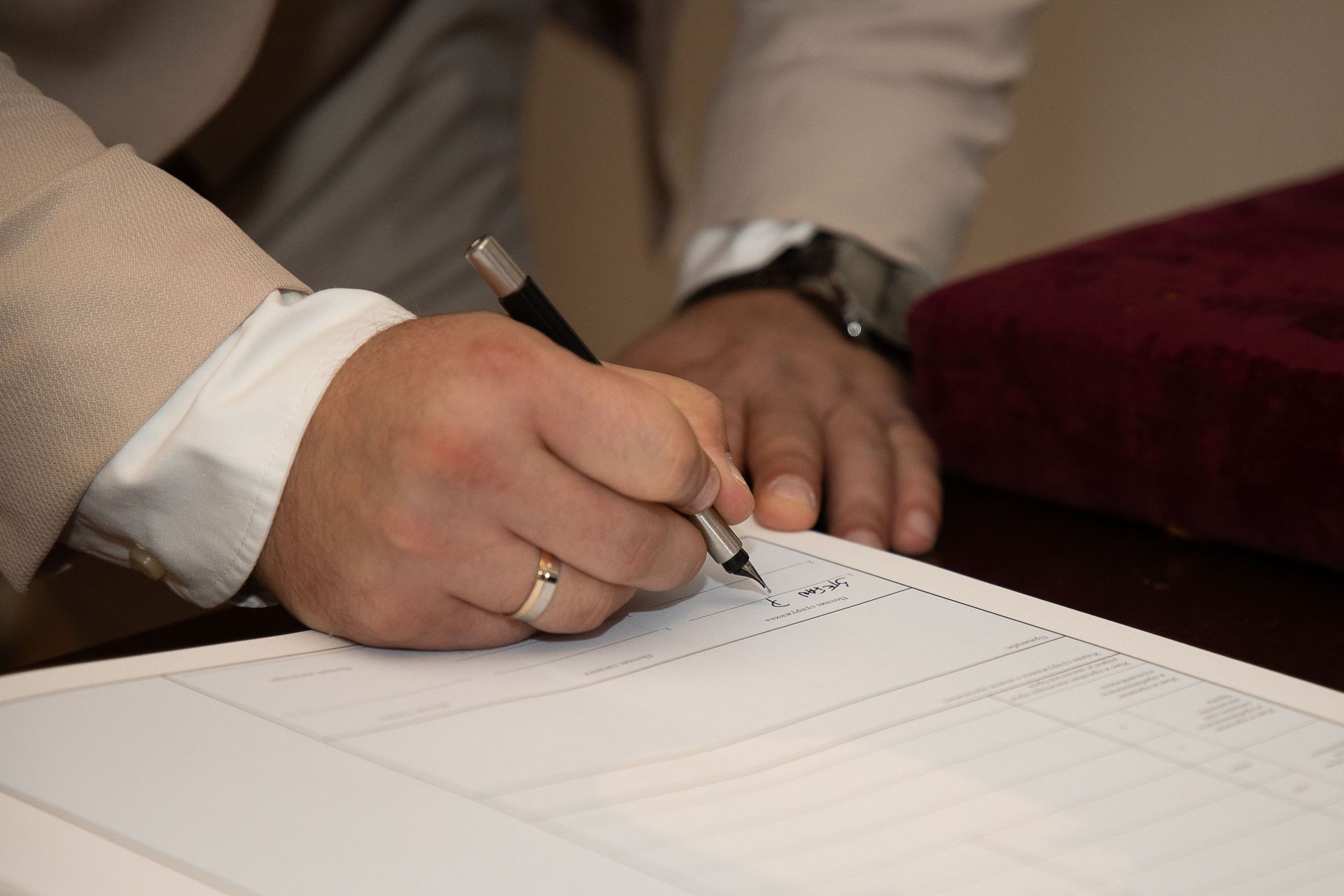
A last will and testament is a document that spells out who receives your property when you pass away and, if you have minor children, who you want to serve as their guardian. In Tennessee, a valid will must generally be in writing, signed by you, and witnessed by two individuals who are present at the same time.
A will is often the right starting point for many families. It's straightforward, less expensive to set up than a trust, and covers the essentials: naming an executor, naming guardians for minor children, and directing where your assets go.
The tradeoff: assets that pass through a will still have to go through probate, the court-supervised process of validating the will and distributing assets. In Tennessee, probate isn't as slow or as public in every case as its reputation suggests, but it does involve court filings, a personal representative's duties, and typically several months to a year (sometimes longer) before an estate is fully closed.
What a Trust Does
A revocable living trust is a legal arrangement where you transfer ownership of your assets into the trust during your lifetime, while retaining full control over them as trustee. When you pass away, your named successor trustee distributes the assets according to the trust's terms, without going through probate court at all.
Trusts tend to make the most sense when:
- You own real estate in more than one state (which would otherwise require probate in each state)
- You want to keep the details of your estate private, since a will becomes part of the public court record once filed, while a trust generally does not
- You have a beneficiary with special needs, a history of managing money poorly, or a blended family situation where you want more control over how and when assets are distributed
- You simply want your family to avoid the probate process altogether
The tradeoff with a trust is upfront cost and effort. A trust needs to be properly funded, meaning your accounts, real estate, and other assets actually need to be retitled into the name of the trust. A trust that's signed but never funded doesn't accomplish what you set out to do, this is one of the most common and costly mistakes we see.
Most People Actually Need Both
This surprises people, but a well-built estate plan usually includes both a will and, if a trust is appropriate for your situation, a trust as well. Even with a trust in place, we typically recommend what's called a "pour-over will", a will that catches any assets that weren't properly transferred into the trust during your lifetime and directs them into the trust upon your death. It's a safety net for the inevitable asset or account that gets overlooked.
Making the Right Choice for Your Family
There's no one-size-fits-all answer here. A young family with a home and a couple of retirement accounts often has very different needs than a business owner with property in two states, or a parent planning for a child with special needs. The right approach starts with an honest look at your goals and your assets.
If you're trying to figure out whether a will alone is enough for your situation, or whether a trust makes sense, we're happy to walk through your specific circumstances and help you land on a plan that actually fits.