FSBO in Tennessee: What Sellers Handling Their Own Sale Need to Know
If you've never bought or sold a home before, "closing" can feel like a mysterious final step that everyone talks about but few people explain clearly. Here's what actually happens during a Tennessee real estate closing, and what to expect if you have one coming up.
What Is a Closing, Exactly?
Closing is the final step in a real estate transaction, the point where ownership of the property officially transfers from seller to buyer, funds change hands, and all the paperwork gets signed and recorded. In Tennessee, closings are typically handled by a closing attorney, rather than a title company representative alone, which is one of the notable differences from how things work in some other states.
What Happens Before Closing Day
Before you ever sit down at the closing table, a lot of work has already happened behind the scenes:
- Title search: The closing attorney's office searches public records to confirm the seller actually has the legal right to sell the property, and to identify any liens, judgments, or title defects that need to be resolved first
- Title insurance: A title insurance policy is issued to protect the buyer (and the buyer's lender, if there is one) against certain future claims related to the property's title
- Loan documents: If the buyer is financing the purchase, the lender prepares final loan documents, which the closing attorney's office reviews for accuracy
- Final walkthrough: Buyers typically do a final walkthrough of the property in the day or two before closing to confirm its condition matches expectations and that any agreed-upon repairs were completed
What Happens at the Closing Table
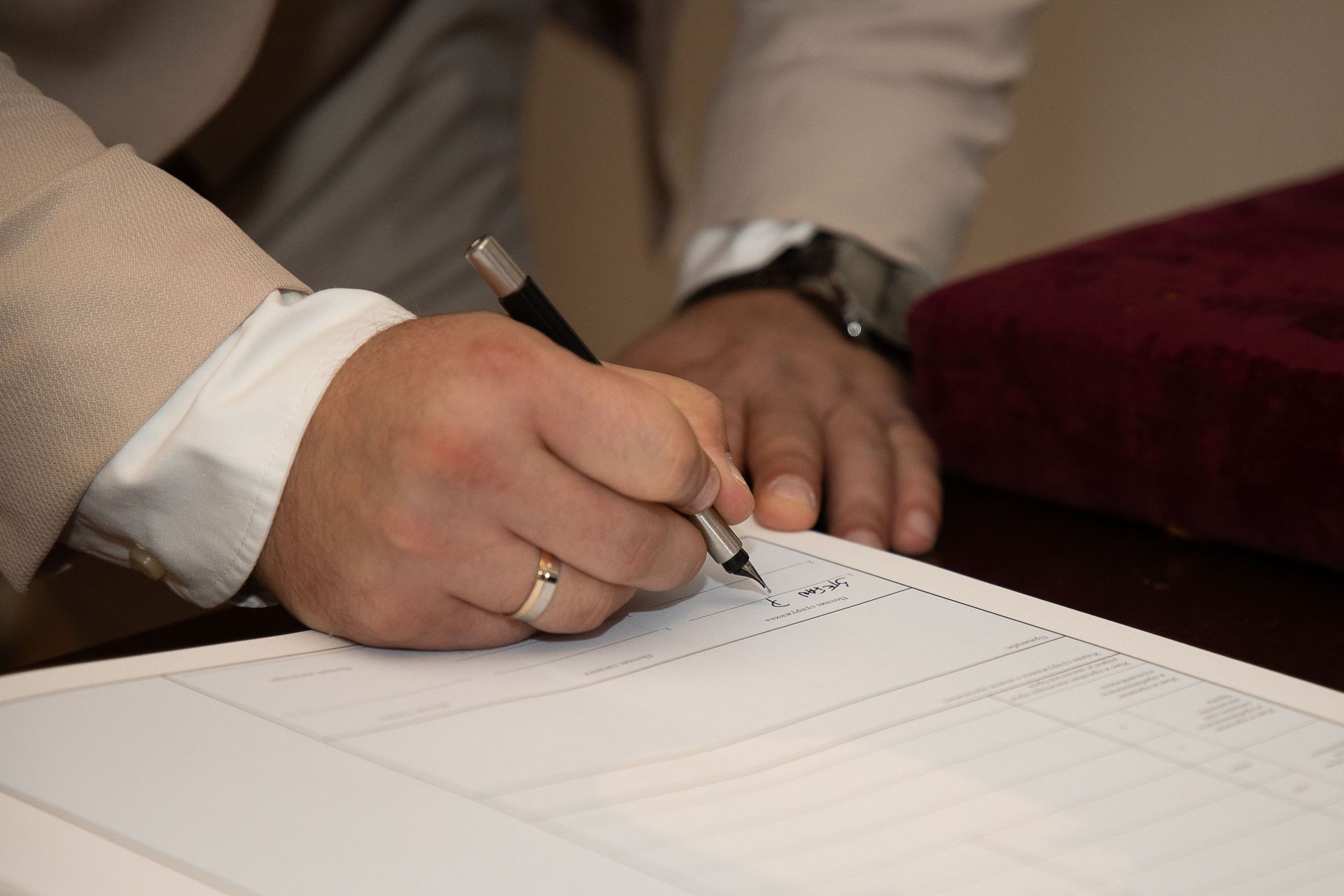
On closing day, buyers and sellers (sometimes together, sometimes at separate times) review and sign a stack of documents that typically includes:
- The deed, transferring ownership from seller to buyer
- The closing disclosure, itemizing all costs associated with the transaction
- Loan documents, if applicable, including the promissory note and deed of trust
- Title affidavits and other closing certifications
The closing attorney walks through the key documents, answers questions, and ensures everything is signed and notarized correctly. Funds are then disbursed, paying off the seller's existing mortgage (if any), covering closing costs, and delivering the seller's net proceeds.
After the Table: Recording
Once signing is complete, the deed and deed of trust (if there's a loan involved) are recorded with the register of deeds in the county where the property is located. This is what makes the transfer of ownership part of the public record and finalizes the transaction. In Shelby County, this typically happens quickly after closing, though it's not always instantaneous.
Why Working With a Closing Attorney Matters
Because Tennessee closings are attorney-conducted, you have someone with legal training reviewing the title work, the loan documents, and the closing disclosure before you sign, not just someone facilitating paperwork. If a title issue turns up during the search, or if something in the loan documents doesn't match what was agreed to, having an attorney involved from the start means those issues get caught and resolved before closing day, not discovered at the table.
Buying or selling a home is one of the biggest financial transactions most people will make. If you have a closing coming up in the Memphis area and want a team that will walk you through it clearly, we're happy to help make sure it goes smoothly.